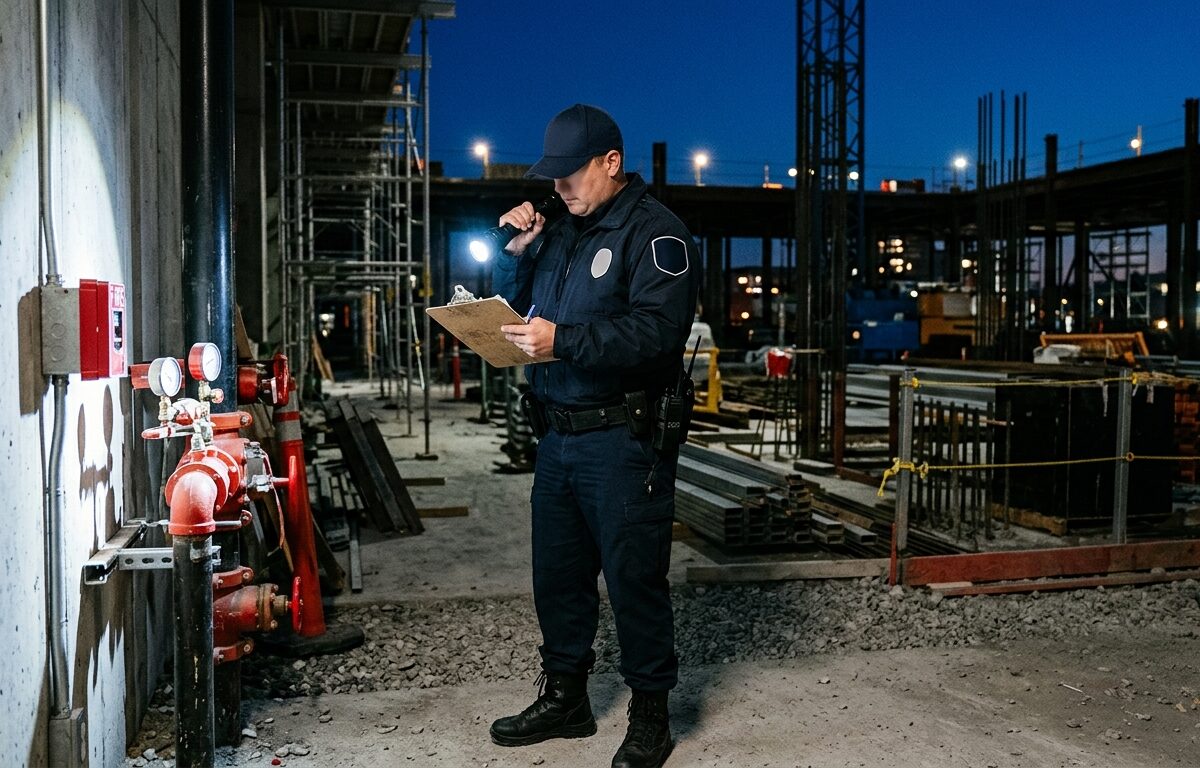
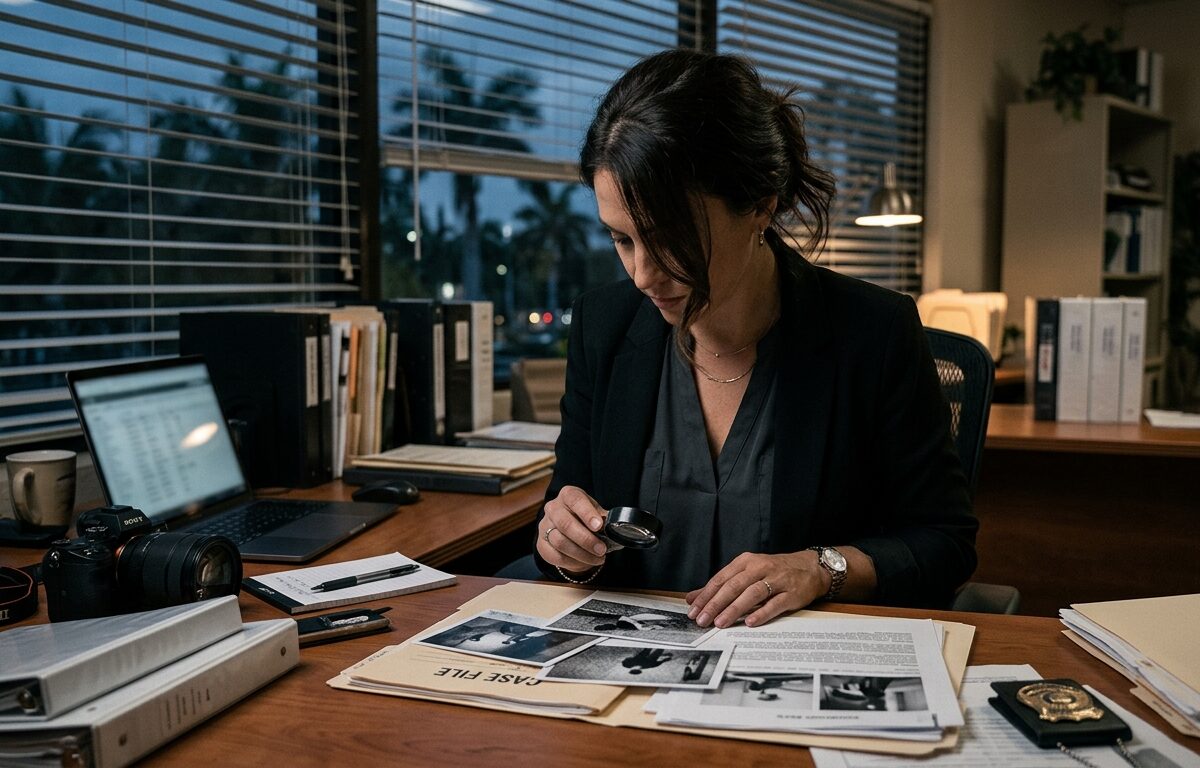
Most of the private investigation calls we get from businesses aren't dramatic. They're an HR director who suspects a workers' comp claim doesn't match the claimant's social media, an operations manager who can't figure out where inventory keeps walking off, or a company that's about to sign a large vendor contract and wants to know who they're actually dealing with before money moves. None of that needs a courtroom yet. It needs a licensed investigator who knows what's legal to do and what isn't, and who can document findings in a way that actually holds up later if it does end up in front of a lawyer or an insurance adjuster.
What a Licensed Florida PI Can (and Can't) Do
Private investigation in Florida is a regulated activity under Florida Statutes Chapter 493, the same licensing framework that covers private security agencies. That matters for businesses hiring one, because it sets real boundaries:
- Public and legally accessible records are fair game: corporate filings, court records, licensing status, and other information available through lawful channels.
- Surveillance in public or otherwise lawful contexts is permitted, documented with time-stamped notes and, where appropriate, photo or video evidence.
- Interviews with willing parties, cross-referenced against records, are a normal part of a workplace investigation.
- Impersonating law enforcement, trespassing, or accessing private records without authorization are not permitted, regardless of how useful the information might be. A licensed investigator who cuts that corner puts the whole investigation, and potentially the business that hired them, at legal risk.
If a vendor doing "investigative work" isn't willing to explain these boundaries clearly before taking a case, that's a warning sign worth taking seriously.
Common Business Investigation Requests We See
The requests that come from Florida businesses tend to fall into a handful of recurring categories:
- Workplace and internal theft investigations. Inventory shrinkage, cash discrepancies, or suspected policy violations that need documentation before any disciplinary or legal step is taken.
- Pre-employment and executive background verification. Confirming credentials, employment history, and public record findings before a hire, especially for roles with financial or security access.
- Vendor and partner due diligence. Verifying that a company a business is about to sign a contract with is who they say they are, particularly for larger construction, staffing, or supply agreements.
- Insurance and workers' compensation inquiries. Documenting activity that appears inconsistent with a claim, handled carefully and within legal surveillance boundaries so the findings are actually usable.
- Asset and location searches tied to a business dispute, such as locating a former partner or vendor who has stopped responding.
None of these require the business to already be in litigation. Most of the value comes from having documentation in hand before a decision gets made, not after.
Why Businesses Use a Security Agency's Investigation Services
A standalone investigator can do respectable work, but there's a real advantage to working with a licensed security agency that also runs guard staffing, executive protection, and threat and vulnerability assessments. The findings from an investigation often need to feed directly into a security decision: an internal theft case that leads to an access control review, a due diligence check that surfaces a reason to add protective coverage, or a background finding that changes how a role gets staffed.
Working with one agency also means one point of contact, one licensing standard to verify, and one written report format your HR or legal team already knows how to use, rather than coordinating a separate investigator, a separate security vendor, and a separate report style for every situation.
How a Workplace Investigation Actually Runs
A real investigation follows a defined process, not an open-ended fishing expedition:
- Intake and scope. What's actually being asked, what's legally permissible to look into, and what outcome the business needs (a report for HR, documentation for an insurer, verification before a hire).
- Research and surveillance, where applicable. Records review, interviews, and lawful observation, all logged with dates and times as they happen, not reconstructed afterward.
- A written report. Findings, sourcing, and any supporting documentation, delivered in a format that holds up if it's later reviewed by an attorney, an insurance company, or a company's own leadership.
- A clear stop point. A defined scope means the investigation ends when the question is answered, not when the budget runs out.
Confidentiality: Keeping the Investigation From Becoming a Second Problem
A workplace investigation that leaks internally before it's finished can do as much damage as the original problem it was meant to address, whether that's tipping off the person being investigated, creating a morale issue among staff who hear rumors, or compromising evidence before it's fully documented. A licensed investigator should be operating on a strict need-to-know basis:
- A defined point of contact on the business side, usually HR, legal, or ownership, rather than findings circulating informally among managers.
- Secure handling of documentation and evidence, including how photos, records, and interview notes are stored and who has access to them.
- No discussion of an active case with anyone outside the agreed point of contact, including other employees who might ask.
This is also where working with a licensed security agency has a practical advantage over an informal arrangement: confidentiality obligations and documentation standards are built into how the agency already operates, not something negotiated fresh for every case.
Choosing a Licensed Investigator in Florida
A few questions worth asking before hiring anyone for investigative work:
- Are they licensed under Florida Statutes Chapter 493 as a private investigator or private investigative agency, not operating informally?
- Are they insured, and will they put findings in a written report rather than a verbal summary?
- Do they explain upfront what they legally can and can't do for the specific type of case you're describing?
- Do they have a defined intake process that scopes the case before work starts, rather than an open-ended arrangement billed by the hour with no end point?
- If the findings lead to a security decision, staffing change, or access control gap, do they have a path to address that, or does the relationship end at the report?
ESS Global is a licensed Florida security agency (license #B 1200075) offering private investigation services for businesses across the Tampa Bay area, backed by the same licensing and documentation standards we use across our guard staffing and threat and vulnerability assessment work.
Talk to a Licensed Investigator
If your business needs documentation before a decision gets made, whether that's a workplace concern, a vendor you're about to trust, or a claim that doesn't add up, the first step is a conversation about scope, not a signed contract. That conversation costs nothing and often clarifies whether a formal investigation is even the right tool, versus a smaller records check or a background verification that resolves the question on its own. Call ESS Global at 727-940-7926 or request private investigation services to talk through what's actually possible in your situation.